
 Available in US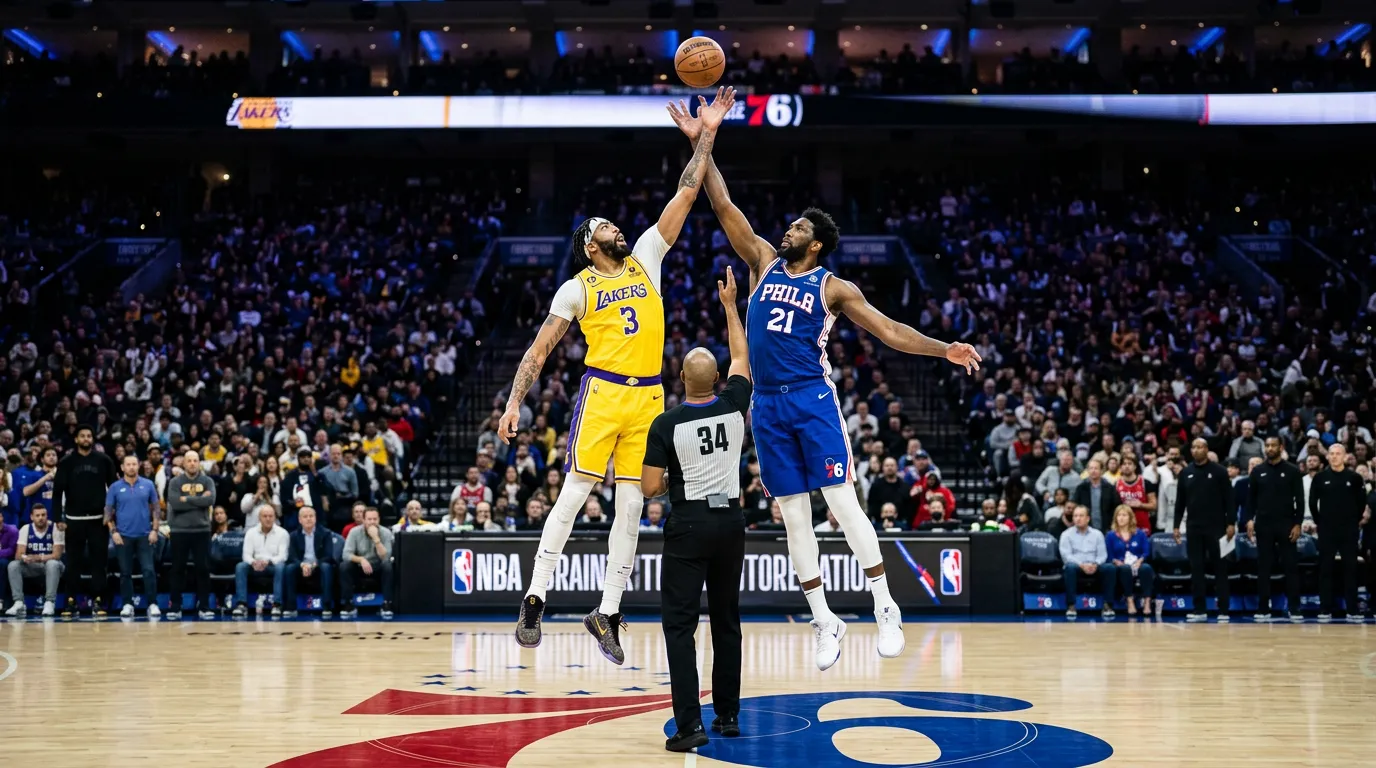
Paolo Banchero scored the first basket in seven consecutive Magic games last January. I’d backed him twice during that streak at +550 and +600 – the odds barely moved despite the obvious pattern. First basket scorer markets often ignore recent tendencies that more analytical bettors can exploit. That streak taught me these markets reward pattern recognition that casual observers and bookmakers sometimes miss.
First basket scorer betting asks a simple question: who will score the game’s opening points? The market offers long odds on individual players – typically +400 to +1200 depending on role and team – creating potential for significant returns on small stakes. The downside: high variance means losing streaks are inevitable, and bookmaker margins on these markets run notably higher than standard betting options.
The appeal lies in the market’s isolation from game outcomes. A player might score first then contribute nothing else meaningful; another might dominate for 40 points after someone else opened scoring. First basket analysis focuses on tip-off dynamics, early offensive sets, and individual player tendencies rather than predicting overall game flow.
Factors Affecting First Basket Outcomes
Tip-off control determines the first possession advantage. The team winning the jump ball gets first offensive opportunity – a meaningful edge when betting on specific scorers. Track centre matchups and historical tip success rates; some centres win 60%+ of their jumps while others barely reach 40%. This differential affects probability calculations for first basket candidates on each team.
Opening play design varies significantly between coaches. Some teams run their star player immediately, seeking early rhythm establishment. Others spread touches to set up later isolation opportunities. Reviewing game film of first possessions reveals patterns: does the point guard always look to the corner three first? Does the centre get immediate post touches? These tendencies persist across games.
Starting lineup confirmation matters critically. A star player listed as questionable who ultimately sits ruins first basket positions at any price. Wait for confirmed starters before placing first basket bets – the wait costs potential odds movement but eliminates the worst outcome of backing a player who doesn’t take the court.
Travel and schedule factors influence early-game execution. Teams arriving late from road trips might start slowly, affecting first possession efficiency. Back-to-back situations create sluggish openers. Teams returning home after extended road trips often show early energy. These situational factors affect not just who scores first but whether anyone scores efficiently on the initial possession.
Team Tendencies and Player Patterns
Some players dominate first basket scoring on their teams across entire seasons. A primary ball-handler who initiates every possession has structural advantage over off-ball players who might not touch the ball for the first 15 seconds. Track which players consistently score first for their squads – some names appear disproportionately regardless of matchup or venue.
Post players present interesting first basket dynamics. Teams that establish inside presence early often feed their centre on opening possessions, creating first basket opportunities at longer odds than perimeter stars. A centre at +900 might offer better value than a guard at +500 if the team’s offensive philosophy prioritises early post touches.
Three-point attempts from first possessions have increased league-wide, making perimeter shooters more relevant for first basket markets. A team that opens with pick-and-roll leading to corner three attempts offers first basket probability to players who wouldn’t be considered historically. Adjust your analysis for modern offensive tendencies.
Matchup-specific patterns sometimes emerge. A player might consistently score first against specific opponents due to defensive assignments or team strategies. While small sample sizes make these patterns unreliable predictors, they provide additional context when multiple factors align favourably for a first basket selection.
Finding Value in First Basket Odds
Bookmaker margins on first basket markets often exceed 15-20% – significantly higher than standard markets. This margin means you need substantial edge just to break even, let alone profit. Only pursue first basket betting if your analysis identifies specific situations where market prices dramatically misprice actual probability.
Odds comparison matters more for first basket than typical markets. The high variance means individual bet outcomes are nearly random; but securing +700 instead of +600 on repeated similar situations compounds significantly. Build odds comparison into your routine specifically for first basket opportunities.
Recent form indicators sometimes don’t move lines appropriately. A player who scored first in three straight games might see odds unchanged because bookmakers weight season-long data over small recent samples. When you identify genuine tendency shifts – new play calls, rotation changes, improved tip-off centres – you might find value in prices that haven’t adjusted.
Contrarian approaches can work in first basket markets. Heavy public betting on star players pushes their odds shorter while lengthening odds on secondary options. A role player at +1000 who actually has 8% probability represents value; a star at +350 with 20% probability does not. Think beyond the obvious candidates.
First Basket Betting Questions
Incorporating First Basket Into Your Betting
I treat first basket betting as recreational supplement rather than serious strategy. The margins are too high and variance too extreme for it to constitute meaningful portion of my NBA action. But occasionally – when tip-off dynamics, team tendencies, and pricing align – a first basket bet adds entertainment value and genuine expected return.
Stake sizing should reflect the variance reality. These bets lose far more often than they win; sizing appropriately ensures losing streaks don’t damage your bankroll disproportionately. I cap first basket exposure at 1% of my NBA bankroll per bet, accepting that most weeks I’ll lose these wagers while occasionally enjoying significant returns.
Track first basket results meticulously if you pursue this market regularly. Note not just wins and losses but which factors your winning picks shared. Did tip-off control correlate with success? Did backing primary ball-handlers outperform centres? Data reveals whether your approach has genuine edge or relies on fortunate variance.
Consider first basket betting during games you’re watching for added engagement. The outcome resolves within 30 seconds of tip-off, creating immediate result without the extended uncertainty of full-game bets. For entertainment value per betting pound, few markets deliver faster resolution – just maintain realistic expectations about long-term profitability.
Combine first basket considerations with your broader NBA analysis. If you’re already researching a game thoroughly, adding first basket evaluation takes minimal extra time. The market rewards those who think through tip-off dynamics that most bettors ignore entirely while focusing on game outcomes. Even occasional first basket success adds meaningful return when found at appropriate prices.
The first basket market exemplifies a broader principle: niche betting opportunities exist where analytical effort exceeds typical bettor engagement. Most recreational bettors don’t track tip-off win rates, opening play designs, or historical first scorer patterns. That research gap creates the edge opportunity – filling it with actual analysis rather than guessing distinguishes profitable approaches from casual gambling.
Articles
Published by the nbabetonline team.
